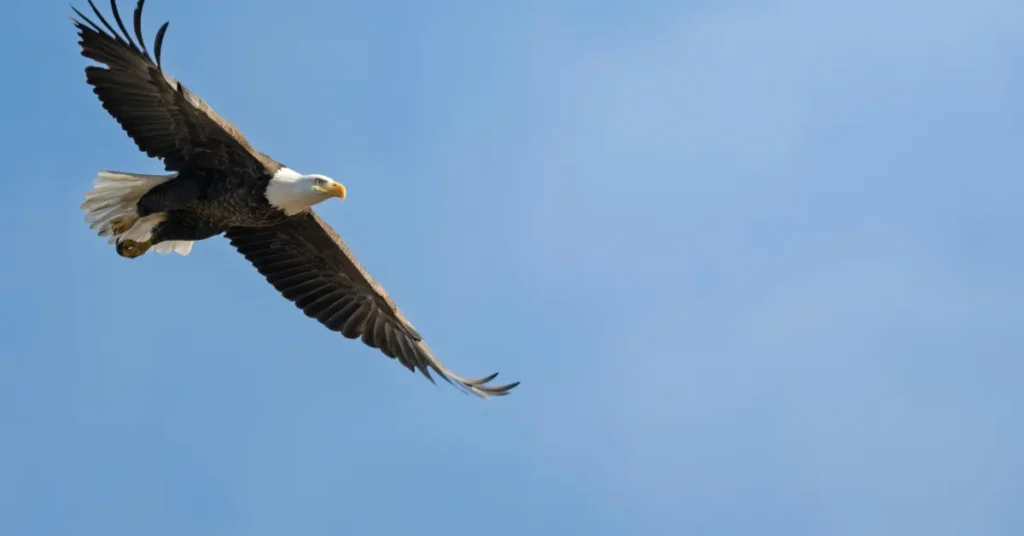
Quem nunca ficou encantado com um gavião em voo rasante ou com os olhos enormes de uma coruja pousada num galho? As aves de rapina têm essa característica única: despertam fascínio em qualquer pessoa.
Mas esse encantamento, quando mal direcionado, pode transformar um animal selvagem em prisioneiro doméstico. E o prejuízo, nesse caso, é dos dois lados.
Embora algumas aves de rapina possam viver sob cuidados humanos legalizados e especializados, elas não são animais de companhia convencionais. São espécies silvestres que exigem manejo técnico, estrutura adequada e profundo conhecimento sobre comportamento, alimentação e bem-estar.
Neste artigo, vamos entender as características biológicas e comportamentais que separam essas aves de rapina das de estimação tradicionais e o papel da reabilitação.
O que são aves de rapina?
As aves de rapina, também chamadas de rapinantes, são predadoras naturais equipadas com adaptações que as tornam caçadoras excepcionais.
Fazem parte desse grupo as águias, gaviões, falcões, corujas, urubus, carcamanos, entre outros.
Aves de rapina vs aves de estimação: qual a diferença?
As aves de rapina têm características muito diferentes das aves de estimação. Elas possuem garras fortes, bico curvo, visão extremamente aguçada e um instinto de caça que não pode ser domesticado.
Já espécies comumente mantidas sob cuidados humanos, como calopsitas e alguns psitacídeos legalizados, apresentam maior tolerância à convivência com pessoas quando manejadas adequadamente.
Confira na tabela a seguir algumas das principais características das aves de rapina que as diferem das aves de estimação.
| Aves de rapina | Aves de estimação |
| Equipadas para caçar | Adaptadas à convivência |
| Garras curvas e fortes (serrilhas) | Maior adaptação ao manejo humano |
| Bico em gancho para dilacerar presas | Comportamento social com humanos |
| Visão até 8x mais aguçada que a humana | Vocalização como forma de comunicação |
| Voo silencioso (nas corujas) | Adaptadas a espaços menores |
| Território amplo: podem voar centenas de km | Reprodução controlada em cativeiro |
| Instinto predatório inato e não domesticável | Maior tolerância ao manejo em ambiente controlado |
Fica claro que a diferença vai além do biológico, está no comportamento e, principalmente, na forma como esses animais vivem.
Aves como papagaios e calopsitas, ao longo do tempo, se adaptaram à convivência com pessoas, as aves de rapina não.
No Brasil, a manutenção de aves de rapina sob cuidados humanos depende de autorização, licenciamento e manejo especializado. Fora desses contextos, a captura e manutenção ilegal desses animais causa sérios impactos ao bem-estar e à conservação das espécies.
Por que aves de rapina não podem ser criadas como pets?
O tráfico de animais silvestres é a terceira maior rede criminosa do mundo, atrás apenas do narcotráfico e do comércio ilegal de armas.
No Brasil, todos os anos, retiram mais de 38 milhões de animais da natureza no Brasil, e as aves sofrem o maior impacto.
Quando alguém retira uma ave de rapina ainda filhote do ambiente natural, ela perde a oportunidade de aprender comportamentos essenciais com os pais, como caçar, voar em altitude e se orientar.
Sem esse aprendizado, ela não consegue sobreviver sozinha na natureza. No cativeiro doméstico, o confinamento, a ausência de estímulos e a impossibilidade de agir por instinto fazem a ave sofrer constantemente.
O papel da reabilitação de animais
Nem toda ave resgatada consegue voltar para a natureza. E essa é uma parte que pouca gente vê.
Animais que passaram anos em cativeiro, sofreram lesões ou se acostumaram demais com a presença humana, muitas vezes não conseguem mais sobreviver sozinhos. Soltar, nesses casos, não seria cuidado e sim abandono.
É nesse ponto que entra o trabalho de reabilitação de animais. No Zoo Park Foz, chegam aves vindas de situações bem delicadas como tráfico, maus-tratos e acidentes.
Quando a reabilitação e o retorno à natureza são viáveis, esse é sempre o objetivo prioritário.
Em situações em que a soltura não é possível, os animais permanecem sob cuidados especializados, contribuindo também para ações de educação ambiental e conscientização pública.
No caso dessas aves, este propósito ganha forma nos voos das aves de rapina, realizados com equipe técnica especializada.
Falcoaria: uma prática de milênios a serviço da conservação
A falcoaria é uma das práticas mais antigas de interação entre humanos e aves de rapina.
Reconhecida pela UNESCO como patrimônio cultural imaterial da humanidade, ela se baseia em uma relação de confiança e condicionamento.
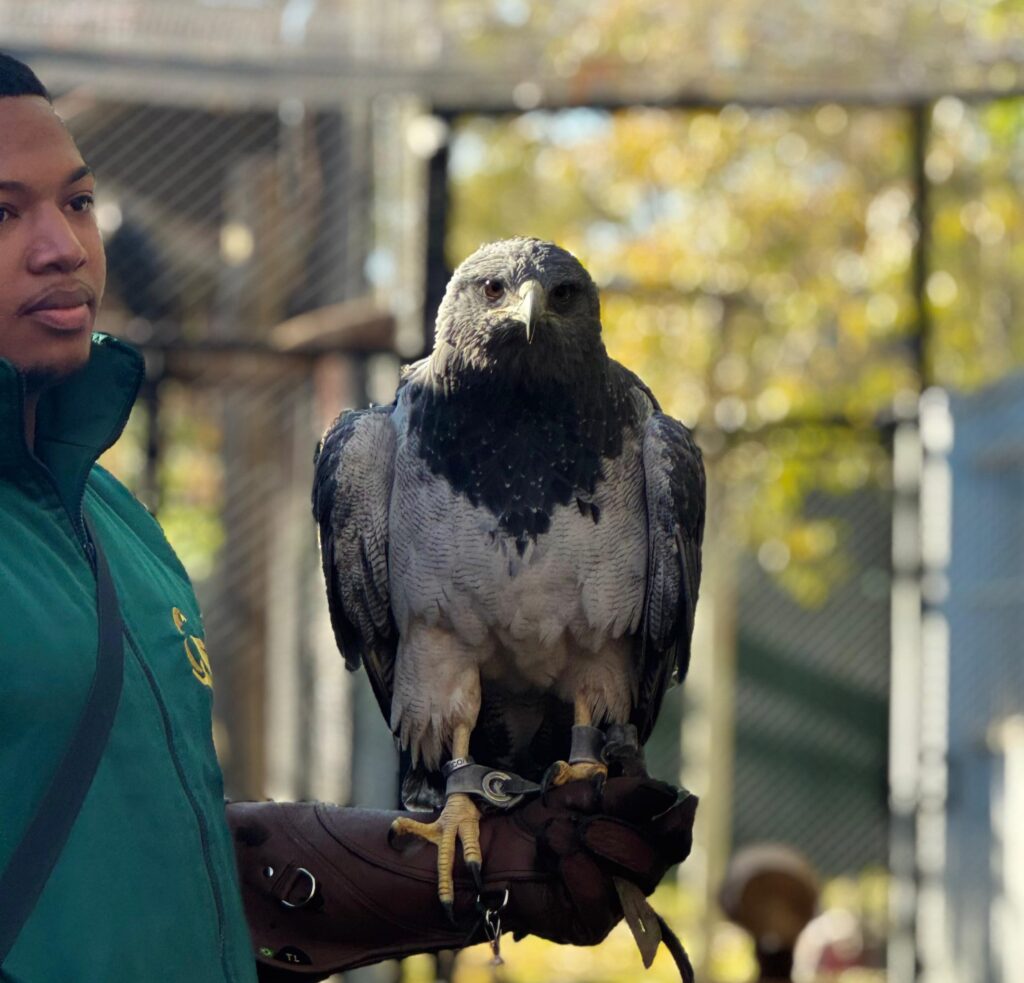
No Eco Park Foz, os voos das aves de rapina acontecem às 10h30 e às 16h. Têm como principal objetivo promover educação ambiental, sensibilização do público e demonstração de comportamentos naturais das aves, sempre com manejo técnico especializado inspirado em princípios da falcoaria.
Você acompanha um voo livre das aves de rapina, em espaço aberto, com mediação de educadores ambientais que contam a história dessas espécies, sua importância ecológica e o trabalho de reabilitação por trás de cada animal.
FAQ: dúvidas comuns sobre aves de rapina e suas características
Não. Elas possuem instintos naturais que não permitem adaptação ao ambiente doméstico.
Na maioria dos casos, não. A legislação brasileira restringe a posse de animais silvestres.
Elas não são agressivas sem motivo, mas possuem comportamentos de caça e defesa.
Todos são aves de rapina, mas variam em tamanho, forma de voo e estratégia de caça. Águias costumam ser maiores, falcões mais rápidos e gaviões mais adaptáveis a diferentes ambientes.
Sim. A diferença é que a coruja é uma ave de rapina noturna, com adaptações para caçar no escuro.
No Zoo Park Foz, você pode acompanhar os Flights of Birds of Prey, com orientação de profissionais e foco em educação ambiental.
Admirar também é cuidar
A diferença entre uma ave de rapina e uma ave de estimação não está só no comportamento. Está no lugar que cada uma ocupa no mundo.
As aves de rapina precisam de espaço, de voo, de comportamento livre. E, quando isso não é mais possível, o cuidado passa a ser outro: reabilitar quando dá e garantir uma vida digna quando não dá.
Se você quer viver essa experiência de perto, com orientação e propósito, vale conhecer o trabalho do Zoo Park Foz e acompanhar os voos das aves de rapina. Garanta seu ingresso com antecedência.